

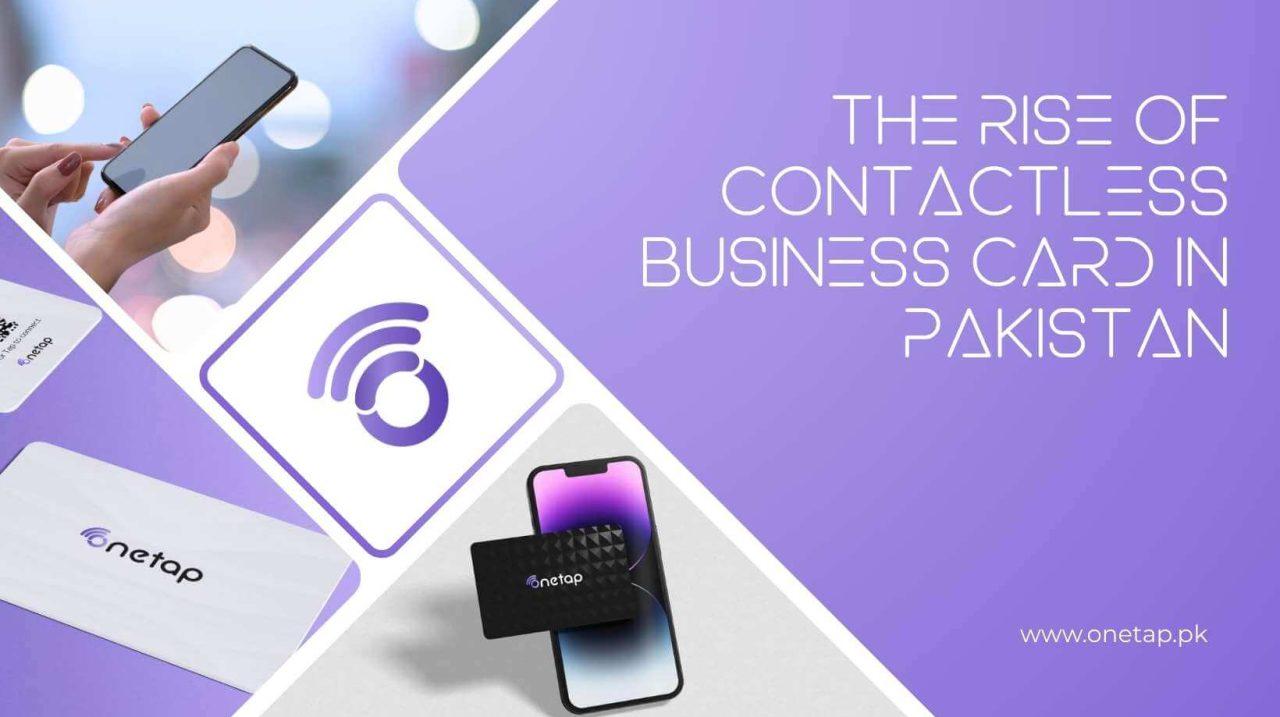
For years, networking in Pakistan relied on firm handshakes and paper cards. A handshake showed trust, and a card proved identity. But things are changing fast. Today, the contactless business card is reshaping how professionals connect.
When Paper Cards Ruled
In offices, expos, and hotel lobbies, paper cards once carried weight. They were more than slips of paper. They showed respect, credibility, and style.
At exhibitions, people carried stacks of cards in leather holders. In meetings, the exchange felt like a ritual. Even students used paper cards at job fairs. So, for decades, cards shaped first impressions in Pakistan’s business culture.
Many people also kept them as keepsakes. Some built collections of contacts they had met over the years. But the bigger the collection, the harder it became to organize or even remember.
Cracks in Tradition
The system looked polished, but it had flaws. Many cards ended up lost or ignored. Clients misplaced them before ever making contact. Also, details like phone numbers often change. Those meant reprints, which cost time and money.
Hygiene also became a concern. After COVID, fewer people wanted to shake hands or accept paper cards. Safety became just as important as speed. So, the old way no longer felt right.
Memory was another issue. People attended big events, collected dozens of cards, and later forgot who was behind them. As a result, good opportunities often slipped away.
The Turning Point: A Digital Shift
As digital tools became common, habits changed. Cafes switched to QR menus. Shops started using mobile payments. Online banking became routine. So, networking also started to move toward digital options.
A contactless business card now works like a modern handshake. Instead of giving paper, you share details with a tap or scan. The process is instant, safe, and easy to remember.
From Handshakes to Taps
Picture this moment at a Karachi expo. A visitor meets a young founder. Instead of handing paper, the founder offers a tap. In seconds, the visitor saves the profile on their phone.
Now imagine a freelancer in Lahore meeting a client. Instead of digging for a card, the freelancer taps once. The client leaves with everything saved — portfolio, links, and contact details.
Think of a student at a career fair in Islamabad. Instead of handing out piles of paper, the student shares one smart card. Recruiters like speed and the modern touch. Finally, the student stands out in a crowded room.
Each moment shows how taps replace handshakes and paper. They also show why the change feels faster, safer, and easier to recall.
Why Pakistan is Ready for Contactless Networking
Pakistan’s business culture is moving toward digital tools. Startups, freelancers, and students want modern ways to stand out. Also, large companies prefer affordable tools that look professional.
A contactless business card fits these needs. It offers speed, safety, and style. It suits busy expos, career fairs, and one-on-one meetings. In fact, it matches the rising demand for quick and smart solutions.
Benefits That Drive the Change
Using a contactless card is more than a passing trend. It fixes everyday problems for professionals.
- Always updated: Change details anytime, no reprints needed.
- Hygienic: Safer than handshakes or paper exchanges.
- Affordable: One setup cost, no repeats.
- Professional: Share links, profiles, or stores in seconds.
- Memorable: A tap feels fresh and modern.
So, these cards build trust while cutting costs. They also help small businesses look bigger and more reliable.
Looking Ahead: The Future of Networking in Pakistan
Networking in Pakistan is moving from stacks of cards to smart taps. People at events now expect contactless sharing. Instead of carrying boxes of paper, professionals will only need one.
Clients also want quick access. They do not want to search through paper piles. Instead, they want contacts saved directly to their devices. So, startups and professionals who adapt early will stay ahead.
This shift will also affect industries. For example, event organizers can promote contactless networking to boost engagement. Startups can use digital cards to look modern even with small budgets.
Onetap is already helping with this change. With tools like a contactless business card, professionals in Pakistan can scale faster and smarter.
Conclusion: A Tap That Lasts Longer Than a Handshake
The handshake once showed trust, and the card carried identity. Today, both are being replaced. A contactless business card lets professionals connect instantly and leaves a strong impression.
Networking in Pakistan is no longer about paper. It is about making every meeting count with just one tap.