

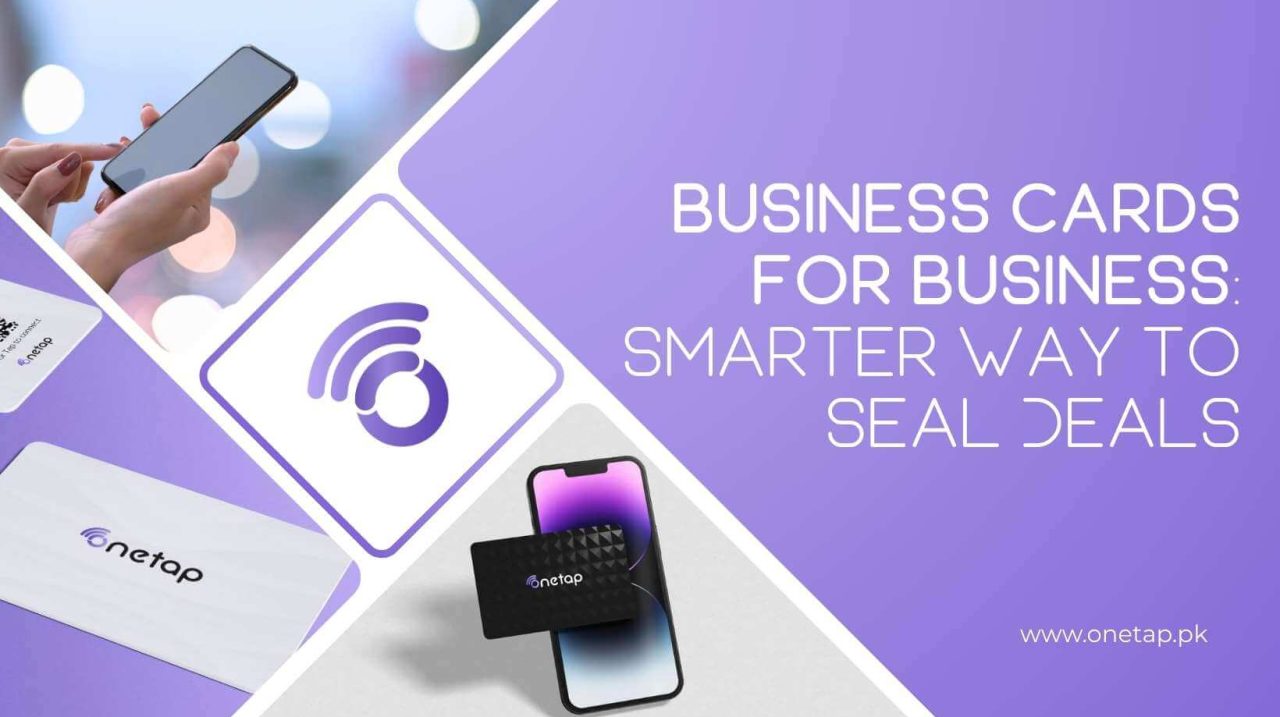
In a world full of digital tools, many people rely on apps to connect. Yet, when it comes to building trust and closing deals, apps often fall short. This is why business cards for business remain powerful. They combine the human touch with branding, creating a lasting impression no app can match.
The Limits of Networking Apps
Apps seem fast and easy, but they have clear drawbacks.
- Contacts often get lost in crowded inboxes.
- Notifications can be ignored or muted.
- Tech issues or poor signals ruin timing.
- Digital-only introductions lack a personal touch.
Networking apps connect people, but they rarely spark genuine trust. In fact, many professionals forget digital connections within days. A card, however, often remains visible for weeks or even months.
Why Business Cards Still Matter
Unlike apps, a card is physical and tangible. It makes people pause and take notice. A handshake with a card exchange feels real, while an app swipe feels routine. That small difference builds stronger recall.
Here is why business cards for business stand out:
- Show effort and professionalism.
- Create a memory through sight and touch.
- Reflect your brand identity.
- Stay visible on a desk or wallet.
The card you hand over represents you long after the meeting ends.
Business Cards as Silent Sales Tools
Think of a card as more than contact info. It is a small marketing tool that speaks for you. A well-designed card can:
- Highlight your brand colors and style.
- Share your tagline or service promise.
- Spark a conversation during introductions.
- Leave an impression long after the meeting.
When crafted with purpose, business cards for business quietly help close deals without hard selling.
The Psychology Behind Memorable Cards
Humans remember visuals and actions more than text. That is why cards work. The weight of the paper, the texture, and even the finish all creates a subconscious impact. A flimsy card is easy to forget, but a sturdy one earns respect.
Colors, fonts, and design choices also signal personality. Bright tones suggest creativity, while minimal designs suggest focus. Every design decision affects how others perceive your brand. Apps cannot create the same sensory connection.
Adding Smart Features to Cards
Cards are not stuck in the past. Modern ones combine tradition and technology. You can now add:
- QR codes that link to websites.
- NFC chips that share details instantly.
- Links to social media profiles or portfolios.
Companies like Onetap lead in smart cards. With one tap, your details appear on a phone. This blend keeps the card personal while adding digital speed.
How Cards Close More Deals
Apps might connect you, but they do not build the same trust. Cards win because they stay visible and personal. After a meeting, your card sits on the client’s desk as a reminder.
Here is how business cards for business help close deals:
- Keep your name in sight.
- Act as mini advertisements.
- Signal credibility and commitment.
- Create recall when clients need your service.
This constant presence often tips the balance in your favor when it is time to choose.
Designing Cards That Sell
A card should look simple, clear, and professional. Over-designing makes it confusing. Focus on clarity and memory. Consider these tips:
- Keep fonts easy to read.
- Use durable, high-quality paper.
- Add your logo and a short tagline.
- Leave white space for balance.
- Consider eco-friendly or textured material.
Smart designs ensure your card supports both branding and sales.
Business Scenarios Where Cards Shine
Different industries still rely heavily on cards. For example:
- Startups use them to impress investors at pitch events.
- Consultants hand them out to convert warm leads into clients.
- Sales teams use them at trade shows and business fairs.
- Freelancers leave them behind as creative reminders of their work.
- Real estate agents use them to win trust in property markets.
- Corporate executives exchange them in formal meetings where apps feel too casual.
In each case, business cards for business help open doors that apps cannot unlock.
Closing Thoughts
Digital tools may dominate daily life, but trust closes deals. A personal connection matters more than a quick app swipe. When you hand someone a card, you show effort and intent.
This is why business cards for business remain effective today. They do more than share details. They tell your story, strengthen your brand, and stay with people long after the meeting.
Apps may connect, but cards close. Smart professionals know that. Whether traditional or tech-enabled, the right card is a silent tool that seals deals the smart way.